Human Practices
1. Overview
We believe that a good synthetic biology project must not only work in the lab but also respond to real-world needs. Therefore, we conducted systematic Human Practices through in-depth interviews, public outreach, an online mini-program, and a quantitative survey. Continuous dialogue with patients, caregivers, clinicians, and the public directly drove every iteration of our project design, ensuring that our technology is both scientifically rigorous and warmly accessible.
2. In-depth Interviews
Interview Design
- Participants: Family caregivers of Alzheimer's disease patients, neurologists, community caregivers
- Format: Semi-structured in-depth interviews, 30–60 minutes each, audio-recorded with informed consent and anonymized
- Time: January – February 2026
Key Findings
- Diagnostic barriers: Caregivers reported difficulties in bringing patients to hospitals for cognitive assessments, with patients often showing resistance.
- Financial burden: Monthly care costs for moderate-to-late stage patients exceeded 6,000 RMB (including 2,000 RMB medical expenses + 4,000 RMB caregiver fees).
- Expectations for screening tools:
- Simplicity and non-invasiveness, ideally "like a pregnancy test"
- Affordable price, preferably "no more than 100 RMB"
- Need for follow-up support, such as "professional evaluation after uploading results via a mini-program"
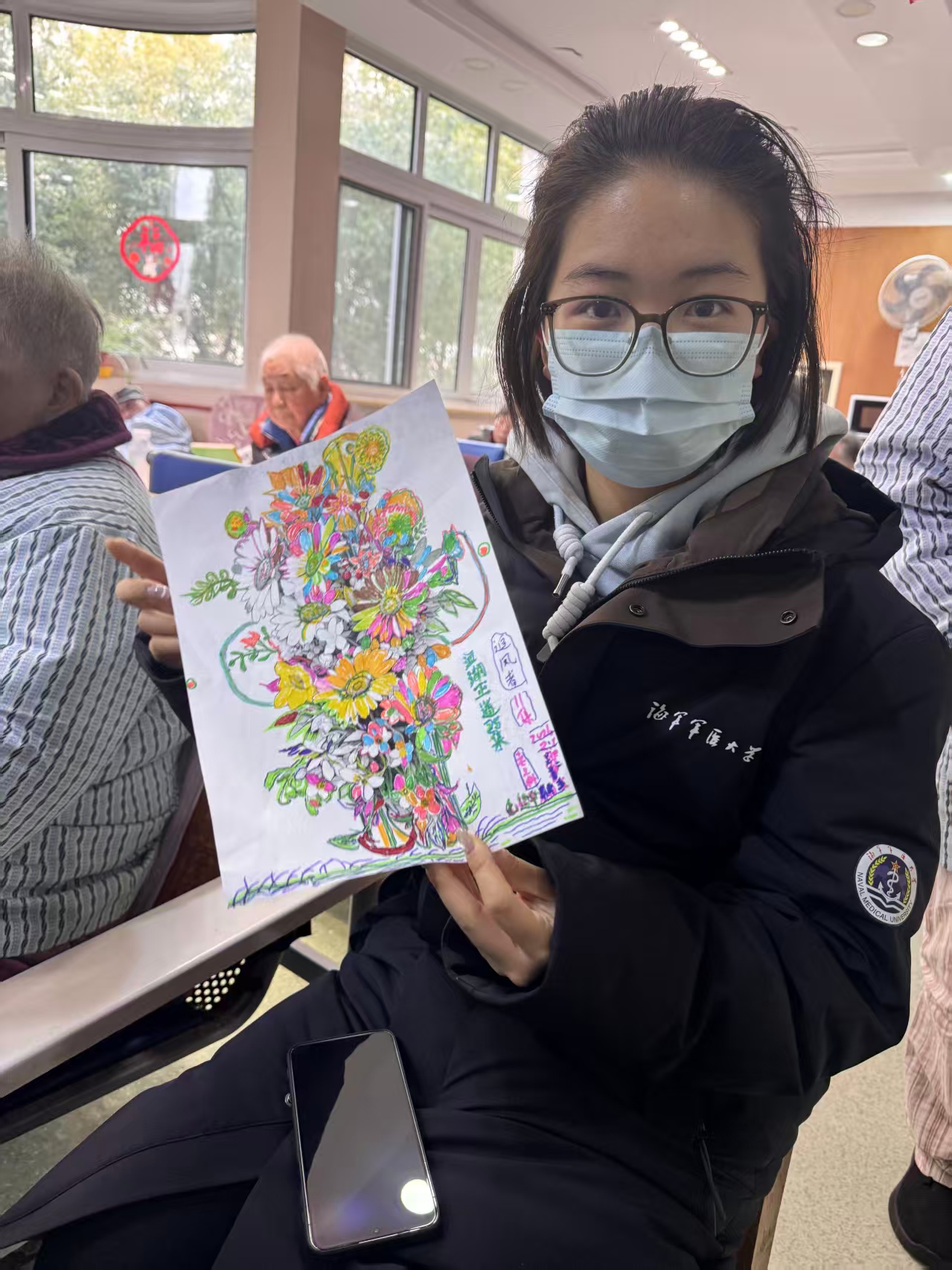
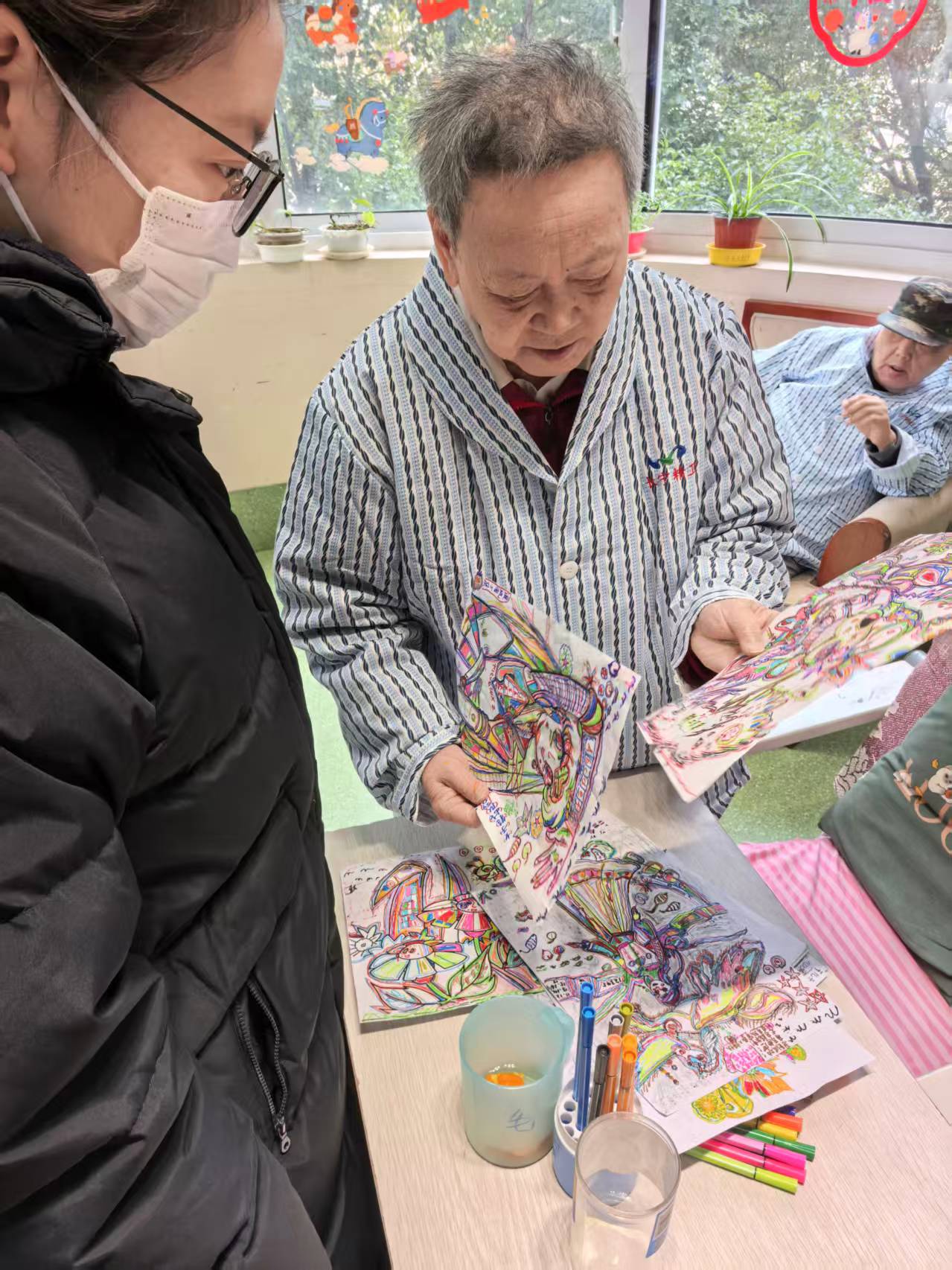
Interview Photos
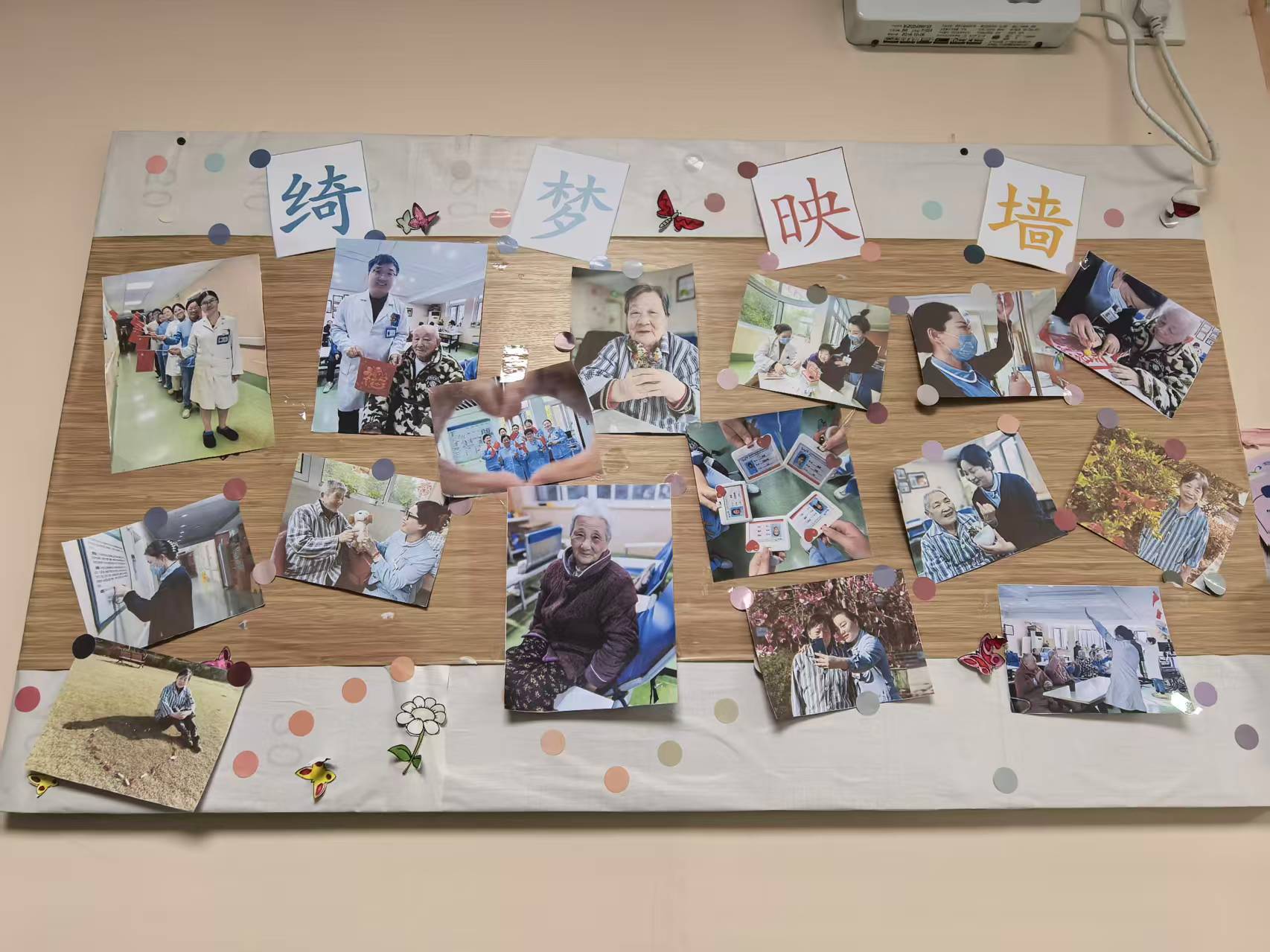
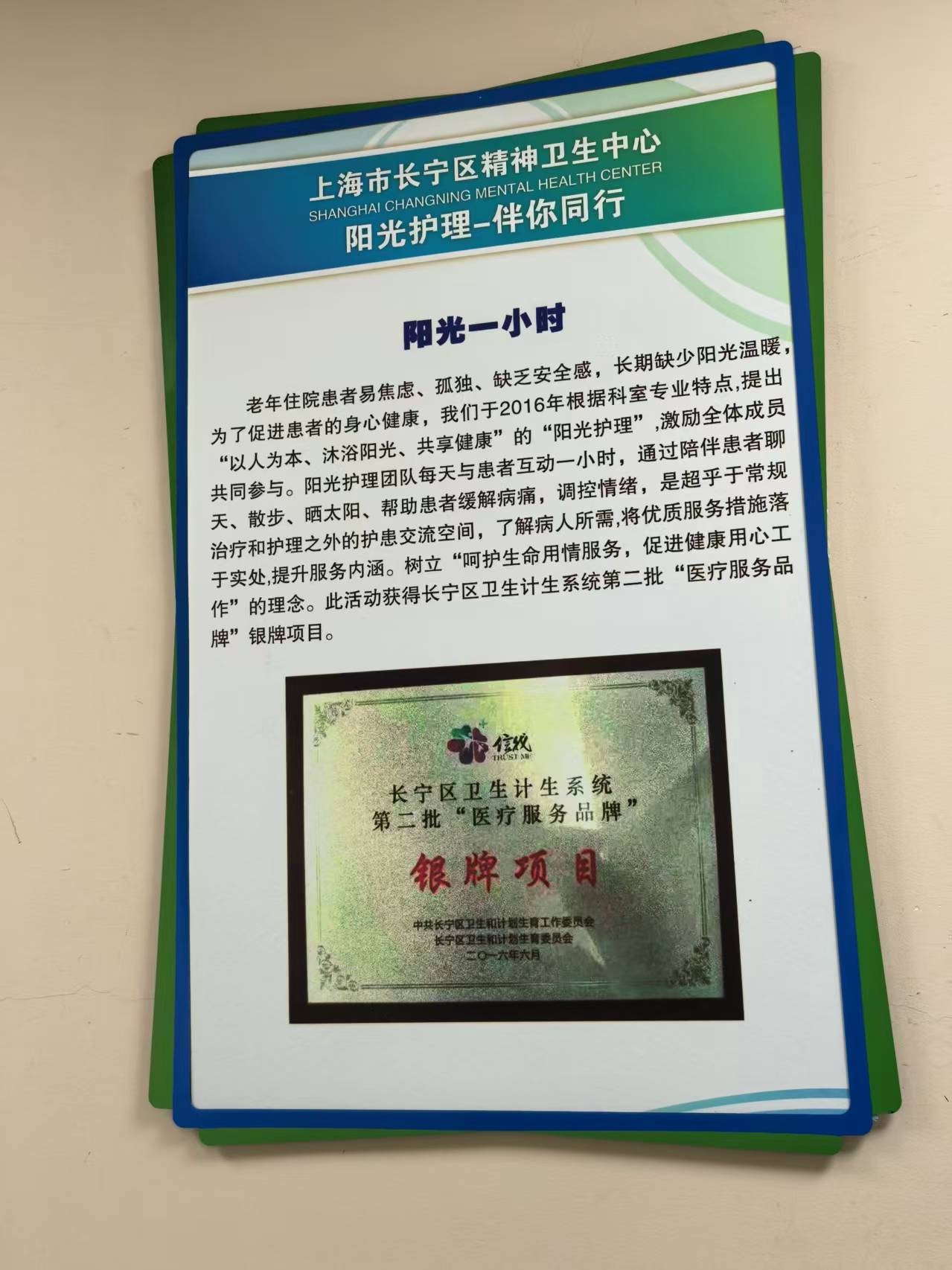
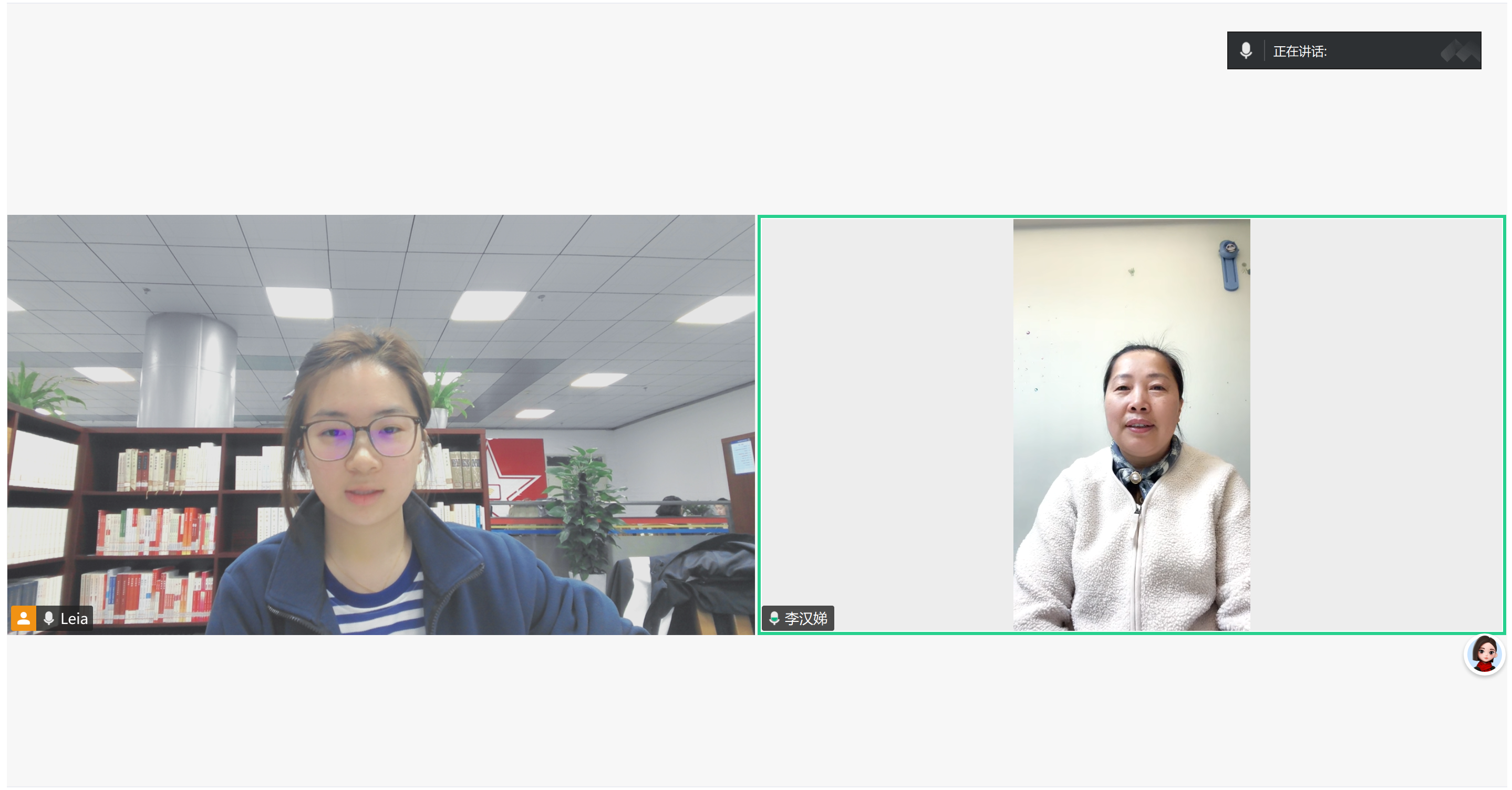
3. User Questionnaire Survey
In March 2026, we conducted an online survey to quantitatively assess public perception of early AD screening technologies. A total of 93 valid responses were collected from patients' families, researchers, healthcare professionals, and the general public. Key insights are summarized below.
Demographics
- Age distribution: 64.5% under 30, 20.4% 31–50, 10.8% 51–65, 4.3% over 66.
- Identity: 75.3% general public, 15.1% students/researchers, 6.5% healthcare professionals, 3.2% caregivers.
Key Findings
| Dimension | Key Data | Implication for Project |
|---|---|---|
| Technology impression | 49.5% found it very innovative; 46.2% concerned about safety/accuracy. | Validates our pivot from oral probiotics to in vitro test strips. |
| Willingness to try | 71.0% would try if safety/accuracy proven; 22.6% very willing. | High market acceptance, but strong evidence needed. |
| Primary trust prerequisite | Over 65% require national regulatory approval. | Guides future product registration strategy. |
| Main concerns | 86.7% of informed respondents worried about long-term safety. | Reinforces our decision to avoid live bacteria. |
| Most valued benefit | 56.6% valued preventive self‑monitoring; 30.3% valued convenience/privacy. | Aligns with our home‑use test strip vision. |
Representative Voices
“I would try it if there is solid proof of safety and accuracy.”
“I hope it can be as simple as a pregnancy test, but it must be accurate.”
(Data source: Online survey, N=93, March 2026. Note: the survey described an oral probiotic concept; results have been interpreted in the context of our current design.)
4. Public Outreach & Science Communication
To raise awareness about early Alzheimer's screening and our project, we operate a WeChat official account named "AlzBiome Science Station". Published articles so far:
| Article Title | Views |
|---|---|
| An Alzheimer's Test Kit That Works Like a Pregnancy Test? | 1200+ |
Only one article has been published to date; more are planned.
Logo & Product Packaging
5. WeChat Mini-Program
To help users intuitively understand the product format, we developed a WeChat mini-program named "AlzBiome Simulator" (currently a concept demo). Through the mini-program, users can:
- Experience a simulated testing workflow (prepare → blood sampling → sample loading → waiting → readout)
- View test strip results under different conditions
- Read references about Alzheimer's disease
The mini-program is for project demonstration only and is not a real diagnostic tool.
6. Iteration Cycle
- Cycle 1: From gut to blood – pivoted due to user safety concerns about oral administration.
- Cycle 2: From p-tau217 to dual-target – molecular docking showed poor single-target specificity, and literature supported NFL+GFAP synergy.
- Cycle 3: From fluorescence to test strip – to meet user expectations of "like a pregnancy test," final format set as colloidal gold lateral flow test strip.
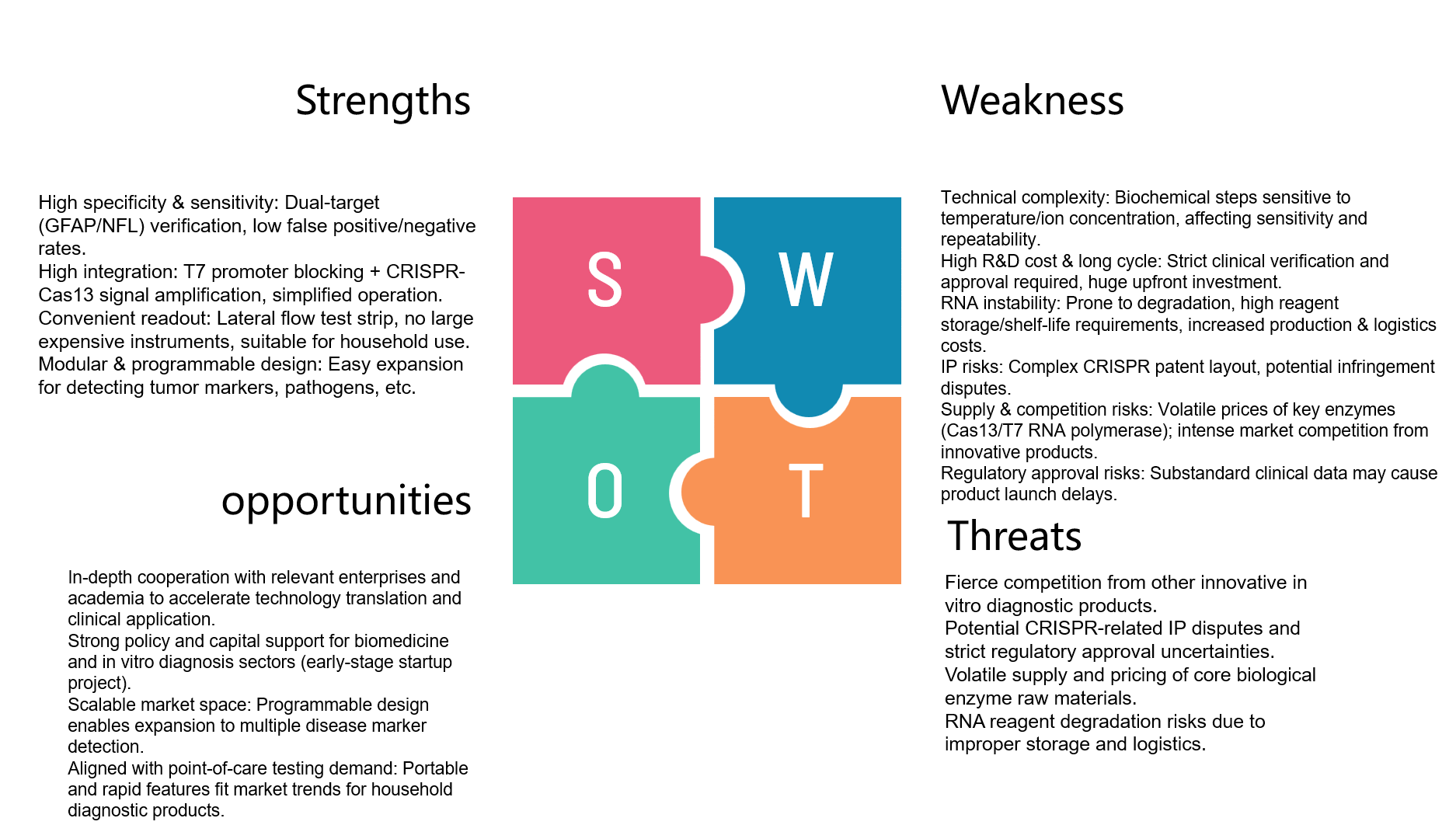
SWOT Analysis
7. Reflections & Future
Through Human Practices, we deeply realized that technology must serve people. In the future, we will continue to gather public feedback via our WeChat account and mini-program, and conduct real sample tests when conditions permit. We believe responsible innovation requires always listening to the voice of society.